Showing posts with label herbal & botanical. Show all posts

Wednesday, September 23, 2020

Ginseng: Asian Ginseng The Herbal Supplement

Star Rating


Asian Ginseng

Common Names: Asian ginseng, Chinese ginseng, Korean ginseng, red ginseng, white ginseng

Latin Names: Panax ginseng

Image: Nutrieat.org

Know The Background of Ginseng

  • Asian ginseng is native to the Far East, including China, Korea, and far-eastern Siberia. It has been used for health-related purposes in traditional Chinese medicine for thousands of years.
  • Asian ginseng is one of several types of ginseng. The terms red ginseng and white ginseng refer to Asian ginseng roots prepared in two different ways.
  • The part of the plant most frequently used for health purposes is the root.
  • Asian ginseng taken orally is promoted for increasing resistance to environmental stress and as a general tonic to improve well-being. Asian ginseng is also promoted as a dietary supplement for a variety of other reasons―to improve physical stamina, concentration, and memory; stimulate immune function; slow the ageing process; and relieve various other health problems, such as respiratory and cardiovascular disorders, depression, anxiety, and menopausal hot flashes. Topical use (applied to the skin) of Asian ginseng as part of a multi-ingredient preparation is promoted for premature ejaculation.
  • Asian ginseng contains many substances; those thought to be most important are called ginsenosides (or panaxosides).


How Much Do We Know?

  • Many of the published randomised controlled trials on Asian ginseng may not be high-quality studies. Therefore, our understanding of Asian ginseng’s health effects is limited.


What Have We Learned?

  • Results from a 2013 review of 65 randomised controlled trials suggest that Asian ginseng may help improve glucose metabolism and lower blood sugar. However, the scientists who published the review noted some issues with the studies they examined: that many were not high quality and that ginseng preparations were diverse.


What Do We Know About Safety?

  • Short-term oral use (up to 6 months) of Asian ginseng in recommended amounts appears to be safe for most people. However, questions have been raised about its long-term safety, and some experts recommend against its use by infants, children, and women who are pregnant or breastfeeding.
  • When used short-term as part of a specific multi-ingredient topical skin application, Asian ginseng is likely safe. Safety after prolonged repetitive topical use has not been determined.
  • Insomnia (trouble sleeping) is the herb’s most common side effect. Others include menstrual problems, breast pain, increased heart rate, high or low blood pressure, headache, loss of appetite, and digestive problems.
  • Some evidence suggests that Asian ginseng might affect blood sugar. If you have diabetes, consult your health care provider before using Asian ginseng.
  • There are uncertainties about whether ginseng might interact with certain medications, such as calcium channel blockers and other high blood pressure medications, as well as statin medications and some antidepressants. Studies on the effect of Asian ginseng on the anticoagulant (blood thinner) warfarin (Coumadin) have had mixed results. If you’re taking medication, consult your health care provider before using Asian ginseng.
  • Asian ginseng may be unsafe when taken orally during pregnancy. One of the chemicals in it has been found to cause birth defects in animals. Little is known about whether it’s safe to use Asian ginseng while breastfeeding. 


Nutrieat Suggest you:

  • Take charge of your health talk with your health care providers about any complementary health approaches you use. Together, you can make shared, well-informed decisions.
Sources: Harvard.health.edu


    Friday, September 4, 2020

    Men's Health and Dietary Supplements

    Star Rating


    Food should be your first source of nutrients, including fruits, vegetables, whole grains, lean protein, low-fat or fat-free dairy products, nuts, seeds, beans and healthy fats. Following a balanced eating pattern is the best way to get the nutrients your body needs, including protein, vitamins and minerals.

    Image: lyfe-fuel-phY30gaxqS8

    If you are not following a balanced eating pattern, getting enough sleep or physically active on a regular basis, you may not have good energy levels. When you're not getting all the nutrients you need or in the recommended amounts, your body also may have trouble fending off illness, and dietary supplements may be necessary for an additional nutrient boost. But before taking a supplement, talk with your health care provider. It's important to know about safety and usefulness of supplements before making a decision.

    Safety of Dietary Supplements

    Be careful when choosing supplements. While dietary supplements are under the purview of the U.S. Food and Drug Administration, they are regulated differently than conventional foods and drugs. Manufacturers do not have to prove a supplement is safe or even that it works before it is sold. The FDA can take action to remove or restrict the sale of a supplement only after it has been on the market and been proven unsafe.

    The Role of Fortified Foods

    Supplements don't only come in a bottle. Many foods including cereals, breads, pastas, energy bars and drinks are enriched or fortified with vitamins, minerals, herbs and amino acids ― the building blocks of proteins.

    There are different reasons supplements may be recommended for men. They might include:

    Bone Health: Calcium and vitamin D are key nutrients for bone health. If you fall behind on getting these nutrients, you may need a supplement separate from a regular multivitamin, since multivitamins usually do not contain enough calcium to meet recommendations.

    • Men need 1,000 milligrams of calcium a day. Men older than age 70 need 1,200 milligrams a day, and teens need 1,300 milligrams a day.
    • Men also need 600 IU of vitamin D each day. After age 70, this increases to 800 IU of vitamin D.

    Eye Health: Carotenoids, such as lutein and zeaxanthin, may play a role in eye health. Focus on including fruits and vegetables such as kalespinachcarrots, cantaloupe, sweet potatoes and broccoli into your day.

    Foods should be factored in when considering a dietary supplement. Consuming too much of one nutrient may pose serious health threats. Consult a registered dietitian nutritionist to help evaluate your daily eating pattern prior to starting a supplement regimen.


    "Disclaimer: Nutrieat works with a well experienced team.But nutrieat insists before use any type of subject matter mentioned on our website you should ask your concerned professionals about. 

    You can ask experienced dieticians of nutrieat through the Ask Us forum below, our team will try to answer your questions as soon as possible. Thanks for visiting nutrieat"


    Thursday, September 3, 2020

    Support Your food With Essential Nutritions

    Star Rating


    Good nutrition is essential to a strong immune system, which may offer protection from seasonal illness and other health problems. No one food or supplement can prevent illness but you may help support your immune system by including these nutrients in your overall eating plan on a regular basis.

    Image: Deli-Nutrieat

    Protein plays a role in the body's immune system, especially for healing and recovery. Eat a variety of protein foods including seafood, lean meat, poultry, eggs, beans and peas, soy products and unsalted nuts and seeds.

    Vitamin A helps regulate the immune system and protect against infections by keeping skin and tissues in the mouth, stomach, intestines and respiratory system healthy. Get this vitamin from foods such as sweet potatoes, carrots, broccoli, spinach, red bell peppers, apricots, eggs or foods labeled "vitamin A fortified," such as milk or some cereals.

    Vitamin C supports the immune system by stimulating the formation of antibodies. Include more sources of this healthy vitamin by choosing citrus fruits such as oranges, grapefruit and tangerines, or red bell pepper, papaya, strawberries, tomato juice or foods fortified with vitamin C, such as some cereals.

    Vitamin E works as an antioxidant and may support immune function. Include vitamin E in your diet with fortified cereals, sunflower seeds, almonds, vegetable oils (such as sunflower or safflower oil), hazelnuts and peanut butter.

    Zinc helps the immune system work properly and may help wounds heal. Zinc can be found in lean meat, poultry, seafood, milk, whole grain products, beans, seeds and nuts.

    Other nutrients, including vitamin B6, B12, copper, folate, selenium and iron also may support immune response and play a role in a healthful eating style.

    Obtaining these nutrients from foods is preferred, so be sure to speak with your health care provider or a registered dietitian nutritionist before taking any supplements.

    "Disclaimer: Nutrieat works with a well experienced team.But nutrieat insists before use any type of subject matter mentioned on our website you should ask your concerned professionals about. 

    You can ask experienced dieticians of nutrieat through the Ask Us forum below, our team will try to answer your questions as soon as possible. Thanks for visiting nutrieat"


    Wednesday, September 2, 2020

    Is Copper Water Really Beneficial to health?

    Copper water is an emerging trend that promotes the practice of storing drinking water in a copper container or copper water bottle.

    Image:kaufmann-mercantile-un

    While you may have just recently heard about this trend, it’s widely supported by Ayurveda, an Indian system of holistic medicine with ancient origins.

    Still, you may wonder whether this practice is beneficial and safe or just another fad.


    What is copper water?

    Copper water isn’t a beverage you’ll find in the nearest supermarket or health store. Rather, you have to make it by storing drinking water in a copper container.

    Copper is a trace element, meaning that you only need minimal amounts of it.

    It plays a key role in multiple essential body functions, such as the production of energy, connective tissues, and your brain’s chemical messaging system. It’s widely found in foods like shellfish, nuts, seeds, potatoes, whole grain products, dark chocolate, and organ meat (1).

    Proponents of this practice state that storing water in copper containers allows the metal to infuse into the water, thus conferring benefits to the drinker.

    Still, while both its deficiency and excess may be detrimental to your health, copper deficiency is uncommon (1).

    For example, the standard American diet meets or exceeds copper’s Daily Value (DV) ― the recommended amount of a nutrient you should consume per day ― which is set at 0.9 mg (2Trusted Source).

    Summary

    Copper water refers to water that has been stored in a copper container, allowing it to become infused with the mineral. However, copper deficiency is rare, as your daily copper needs can easily be met through common foods.


    Claimed benefits

    Proponents claim that copper water offers multiple benefits, including better heart and brain health, a more robust immune system, and even weight loss, anti-aging, and tanning effects.

    However, it’s unlikely that copper water provides these health effects.

    Instead, these benefits may merely reflect copper’s roles and functions in your body, given that it’s involved in energy production, pigmentation, the development of brain and heart tissue, immune system function, and angiogenesis ― the formation of new blood vessels (1).


    Antibacterial effects

    One of copper’s benefit appears to be backed by science its antibacterial effect.

    Both old and recent evidence suggests that copper may be used as a water purification or sterilisation system, as ancient Ayurveda techniques recommended (3Trusted Source, 4Trusted Source).

    This may be especially beneficial for the estimated 1 billion people who don’t have access to safe drinking water (5Trusted Source).

    Contaminated water can contain considerable amounts of bacteria, including Vibrio cholerae, Shigella flexneri, Escherichia coli, and Salmonella typhimurium, that can cause diarrhea ― one of the leading causes of death in developing countries (4Trusted Source, 5Trusted Source).

    Fortunately, simply storing water in a copper pot or vessel may kill these harmful bacteria (5Trusted Source, 6Trusted Source, 7Trusted Source, 8Trusted Source).

    The term “contact killing” is used to describe copper’s antibacterial effect. Researchers believe that exposure to the mineral causes extensive damage to the cell walls of bacteria, causing their death (9Trusted Source, 10Trusted Source).

    Still, studies agree that water should be stored in the copper container for several hours before drinking it to ensure that the antibacterial effect has been successful.

    Some research reported the antibacterial effect when storing the water overnight. In contrast, other studies suggest waiting 16–24 hours, or even up to 48 hours (5Trusted Source, 6Trusted Source, 7Trusted Source, 8Trusted Source).

    This means that filling a pricey copper water bottle in the morning to stay hydrated throughout the day might not have much of a sterilising effect.

    Rather, keeping water in copper pots or jars for longer may be more useful.

    Storing water in copper containers seems to have antibacterial properties capable of killing harmful bacteria. However, the water must be stored for several hours ― possibly even days for it to work.

    Potential downsides

    Long-term exposure to high doses of copper may cause copper toxicity, which is characterised by nausea, vomiting, abdominal pain, and diarrhea. It may even lead to liver damage and kidney disease (1, 11Trusted Source).

    One way you may develop copper toxicity is by consuming stagnant water that flows through copper-containing pipes, which allow for high quantities of copper to leach into the water (1).

    The World Health Organisation (WHO) recommends no more than 0.47 mg of copper per cup (2 mg per liter) of water. This ensures that the tolerable upper intake level of 10 mg per day won’t be exceeded (11Trusted Source).

    When it comes to water stored in copper containers, even for periods of up to 16 hours, studies show that the amount of leached copper is well below WHO’s safety limits (5Trusted Source, 8Trusted Source).

    Still, proponents of the trend suggest that you limit your copper water intake to 3 cups (710 mL) per day.

    High copper intakes may lead to copper toxicity in the long run. However, the amount of copper that leaches into water stored in copper containers is below the safety limits.

    Copper water is simply water that has been stored in a copper container. This allows for safe amounts of copper to leach into the water.

    While most of the practice’s purported benefits aren’t backed by scientific studies, it exerts an antibacterial effect that may kill diarrhea-causing bacteria in contaminated water.

    However, research suggests that for the leached copper to kill bacteria, the water must be stored in a copper vessel at least overnight or up to 48 hours.

    This means that the best containers are most likely copper pots or jars rather than copper water bottles that are filled on the go.


    "Disclaimer: Nutrieat works with a well experienced team.But nutrieat insists before use any type of subject matter mentioned on our website you should ask your concerned professionals about. 

    You can ask experienced dieticians of nutrieat through the Ask Us forum below, our team will try to answer your questions as soon as possible. Thanks for visiting nutrieat"


    Tuesday, September 1, 2020

    Ashwagandha :The immunity Bomb Find out scientific facts

    Ashwagandha is an ancient medicinal herb with multiple health benefits. It can reduce anxiety and stress, help fight depression, boost fertility and testosterone in men, and even boost brain function.
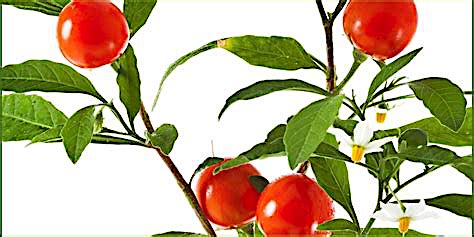
    Image Credit: nutrieat.org Aswagandha 

    Supplementing with ashwagandha may be an easy and effective way to improve your health and quality of life.. It’s classified as an adaptogen, meaning that it can help your body manage stress. Ashwagandha also provides numerous other benefits for your body and brain. For example, it can boost brain function, lower blood sugar and cortisol levels, and help fight symptoms of anxiety and depression.

    Here are scientific benefits of ashwagandha:

    1. Is an ancient medicinal herb

    Ashwagandha is one of the most important herbs in Ayurveda, a form of alternative medicine based on Indian principles of natural healing.

    It has been used for over 3,000 years to relieve stress, increase energy levels, and improve concentration Ashwagandha is Sanskrit for smell of the horse, which refers to both its unique smell and ability to increase strength.

    Its botanical name is Withania somnifera, and it’s also known by several other names, including Indian ginseng and winter cherry.

    The ashwagandha plant is a small shrub with yellow flowers that's native to India and North Africa. Extracts or powder from the plant's root or leaves are used to treat a variety of conditions.

    Many of its health benefits are attributed to its high concentration of with anolides, which have been shown to fight inflammation and tumour growthAshwagandha is a prominent herb in Indian Ayurvedic medicine and has become a popular supplement due to its health benefits.

    2. Can reduce blood sugar levels

    In several studies, ashwagandha has been shown to lower blood sugar levelsAlso, several human studies have suggested that it can reduce blood sugar levels in both healthy people and those with diabetes.

    Limited evidence suggests that ashwagandha reduces blood sugar levels through its effects on insulin secretion and sensitivity.

    3. Might have anticancer properties

    Animal and test-tube studies have found that withaferin ― a compound in ashwagandha ― helps induce apoptosis, which is the programmed death of cancer cells

    First, withaferin is believed to promote the formation of reactive oxygen species (ROS) inside cancer cells, disrupting their function. Second, it may cause cancer cells to become less resistant to apoptosis Trusted  2, Source 1, Animal studies suggest that it may help treat several types of cancer, including breast, lung, colon, brain, and ovarian cancer, Trusted Source 3, 

    In one study, mice with ovarian tumors treated with withaferin alone or in combination with an anti-cancer drug showed a 70–80% reduction in tumor growth. The treatment also prevented the spread of cancer to other organs  Trusted Source 4, Although no evidence suggests that ashwagandha exerts similar effects in humans, the current research is encouraging.

    4. Can reduce cortisol levels

    Cortisol is known as a stress hormone given that your adrenal glands release it in response to stress, as well as when your blood sugar levels get too low. Unfortunately, in some cases, cortisol levels may become chronically elevated, which can lead to high blood sugar levels and increased fat storage in the abdomen. Studies have shown that ashwagandha may help , Trusted Source 5, Trusted Source 6, In one study in chronically stressed adults, those who supplemented with ashwagandha had significantly greater reductions in cortisol, compared with the control group. Those taking the highest dose experienced a 30% reduction, on average. ashwagandha supplements may help lower cortisol levels in chronically stressed individuals.

    5. May help reduce stress and anxiety

    Ashwagandha is perhaps best known for its ability to reduce stressResearchers have reported that it blocked the stress pathway in the brains of rats by regulating chemical signaling in the nervous system Trusted  7, Source 8,

    Also, several controlled human studies have shown that it can reduce symptoms in people with stress and anxiety disorders Trusted Source 9. Ashwagandha has been shown to reduce stress and anxiety in both animal and human studies.

    6. May reduce symptoms of depression

    Although it hasn't been thoroughly studied, a few studies suggest ashwagandha may help alleviate depression Trusted Source 10, Trusted Source 11,

    In one controlled 60-day study in 64 stressed adults, those who took 600 mg of high-concentration ashwagandha extract per day reported a 79% reduction in severe depression, while the placebo group reported a 10% increase  Trusted Source 12


    7. Can boost testosterone and increase fertility in men

    Ashwagandha supplements may have powerful effects on testosterone levels and reproductive health Trusted 13, Source 14, Trusted Source 15, Trusted Source 16,

    In one study in 75 infertile men, the group treated with ashwagandha showed increased sperm count and motility. What's more, the treatment led to a significant increase in testosterone levels 17.

    Ashwagandha helps increase testosterone levels and significantly boosts sperm quality and fertility in men.

    8. May increase muscle mass and strength

    Research has shown that ashwagandha may improve body composition and increase strength Trusted Source 18, Trusted Source 19, Trusted Source 20.

    In a study to determine a safe and effective dosage for ashwagandha, healthy men who took 750–1,250 mg of pulverized ashwagandha root per day gained muscle strength after 30 days Trusted Source 21.

    In another study, those who took ashwagandha had significantly greater gains in muscle strength and size. It also more than doubled their reductions in body fat percentage, compared with the placebo group Trusted Source 22.

    Ashwagandha has been shown to increase muscle mass, reduce body fat, and increase strength in men.

    9. May reduce inflammation

    Several animal studies have shown that ashwagandha helps decrease inflammation Trusted Source 23, Trusted Source 24, Trusted Source 25.

    Studies in humans have found that it increases the activity of natural killer cells, which are immune cells that fight infection and help you stay healthy. Trusted Source 26, Trusted Source 27,

    Ashwagandha has been shown to increase natural killer cell activity and decrease markers of inflammation.


    10. May lower cholesterol and triglycerides

    In addition to its anti-inflammatory effects, ashwagandha may help improve heart health by reducing cholesterol and triglyceride levels.

    Animal studies have found that it significantly decreases levels of these blood fats. One study in rats found that it lowered total cholesterol and triglyceride levels by 53% and nearly 45%, respectively Trusted Source 28.

    While controlled human studies have reported less dramatic results, they have observed some impressive improvements in these markers Trusted Source 27, Trusted Source 28, Trusted Source 29.

    In a 60-day study in chronically stressed adults, the group taking the highest dosage of standardized ashwagandha extract experienced a 17% decrease in LDL (bad) cholesterol and an 11% decrease in triglycerides, on average

    Ashwagandha may help reduce the risk of heart disease by decreasing cholesterol and triglyceride levels.


    11. May improve brain function, including memory

    Test-tube and animal studies suggest that ashwagandha may mitigate memory and brain function problems caused by injury or disease Trusted Source 30, Trusted Source 31,  Trusted Source 32Trusted Source 33

    Research has shown that it promotes antioxidant activity that protects nerve cells from harmful free radicals.

    In one study, rats with epilepsy that were treated with ashwagandha had nearly a complete reversal of spatial memory impairment. This was likely caused by a reduction in oxidative stress Trusted Source 34.

    Although ashwagandha has traditionally been used to boost memory in Ayurvedic medicine, only a small amount of human research has been conducted in this area.

    Another 8-week study in 50 adults showed that taking 300 mg of ashwagandha root extract twice daily significantly improved general memory, task performance, and attention Trusted Source 35.

    Ashwagandha supplements may improve brain function, memory, reaction time, and the ability to perform tasks.


    12. Is safe for most people and widely available

    Ashwagandha is a safe supplement for most people, although its long-term effects are unknown.

    However, certain individuals should not take it, including pregnant and breastfeeding women.

    People with autoimmune diseases should also avoid ashwagandha unless authorized by a healthcare provider. This includes people with conditions like rheumatoid arthritis, lupus, Hashimoto's thyroiditis, and type 1 diabetes.

    Additionally, those on medication for thyroid disease should be careful when taking ashwagandha, as it may increase thyroid hormone levels in some people.

    It may also decrease blood sugar and blood pressure levels, so medication dosages may need to be adjusted if you take it.

    The recommended dosage of ashwagandha depends on the type of supplement. Extracts are more effective than crude ashwagandha root or leaf powder. Remember to follow instructions on labels or ask before to your doctor once before consume.

    Standardized root extract is commonly taken in 450–500-mg capsules once or twice daily.

    It’s offered by several supplement manufacturers and available from various retailers, including health food stores and vitamin shops.

    Although ashwagandha is safe for most people, certain individuals shouldn't use it unless authorised to do so by their healthcare provider. Standardised root extract is commonly taken in 450–500-mg capsules once or twice per day. nutrieat have not aware health condition to nutrieat readers so please once advice your doctor before consumption.


    "Disclaimer: Nutrieat works with a well experienced team.But nutrieat insists before use any type of subject matter mentioned on our website you should ask your concerned professionals about. 

    You can ask experienced dieticians of nutrieat through the Ask Us forum below, our team will try to answer your questions as soon as possible. Thanks for visiting nutrieat."

    Binge Eating Disorder

     FAQ Binge Eating Disorder Translate this page: Image: diposite Photos Binge eating disorder is the most common type of eating disorder...